The AWAI Model for a Zero-Client Writing Business
Get the AWAI Course for $497 $13
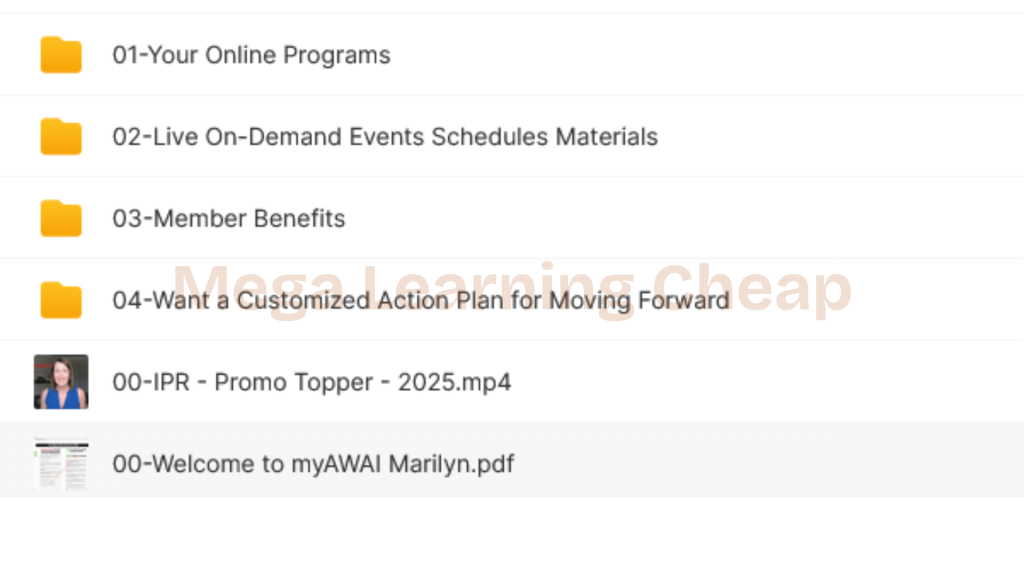
The Size is 16.47 GB and is Released in 2025

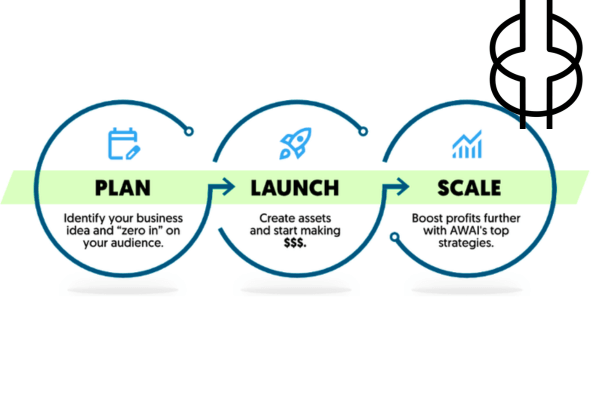
Build a zero-client writing business by treating your ideas as assets. Package them into ebooks, courses, templates, and memberships so you control topics, timelines, and pricing. Start with one product, layer complementary offers, and repurpose content into emails and posts. Add affiliate partnerships and ads to diversify income, then stabilize cash flow with a subscription. Track sales and engagement, run asset sprints, and grow a brand that sells for you. Next, you’ll see how to map this system step by step.
Understanding the AWAI Philosophy
While most freelance paths hinge on pitching and retainers, the AWAI philosophy flips the model by teaching you to build income-generating assets you own. Instead of chasing contracts, you create intellectual property—eBooks, courses, templates—that keep earning long after you publish. You’re not selling hours; you’re building equity in your ideas.
You develop a brand that attracts readers and buyers, then plug content into monetization systems like affiliate partnerships and ad revenue. Each piece can compound—more traffic, more trust, more sales. The approach spreads your risk across multiple streams, so one dip doesn’t derail your income.
Defining the “Zero-Client” Writing Business
In a Zero-Client writing business, you earn without client contracts by creating assets—eBooks, courses, templates—that sell on their own. You build asset-based income streams that scale as your audience grows. You keep control over your workflow, setting topics, timelines, and pricing without client revisions.
What “Zero-Client” Means
Freedom, in practical terms, is what “zero-client” really means: you build and monetize your own writing assets instead of chasing contracts. You stop trading hours for invoices and start creating intellectual property—eBooks, courses, and digital products—that pays you repeatedly. You own the work, the audience, and the schedule.
Here’s how it plays out in your business:
1) You prioritize assets over assignments, reducing income volatility and the constant hunt for gigs.
Related Posts


2) You cultivate a personal brand and audience, so your offers sell without cold pitches or endless proposals.
3) You leverage digital platforms to distribute and scale, working from anywhere with fewer meetings and more creative control.
The result: more independence, steadier revenue, and a resilient practice built for a fast-changing market.
Asset-Based Income Streams
Assets, not invoices, drive a Zero-Client writing business. You build intellectual property—eBooks, courses, templates, and swipe files—that earns without pitching or negotiating contracts. Each asset becomes a durable revenue channel you control.
Start with one digital product that solves a specific problem, then layer complementary offers: a low-cost guide, a flagship course, and a members-only subscription. Add affiliate recommendations that genuinely help your audience. These pieces form a self-sustaining content ecosystem where one sale leads to the next, compounding your results.
Because you sell directly, you set pricing, promotions, and release cadence. Recurring revenue from subscriptions stabilizes cash flow, while evergreen products scale on digital platforms. This AWAI-aligned focus matches market demand and lets you grow income with creativity, not client dependence.
Control Over Workflow
Although traditional freelancing keeps you busy, the Zero-Client writing business puts you in charge of what you create, when you work, and how you earn. You replace reactive client deadlines with proactive asset building—eBooks, courses, and content libraries that compound. By designing a content ecosystem, you set production rhythms, batch tasks, and schedule launches that align with your energy and goals. No constant revisions. No shifting scopes. Just focused creation that feeds long-term revenue.
Here’s how to tighten control over your workflow:
1) Plan asset sprints: map one asset per cycle, with clear research, writing, and publishing milestones.
2) Build promotion loops: repurpose snippets into emails, posts, and lead magnets.
3) Systematize analytics reviews: track sales, engagement, and conversions to refine outputs.
This approach yields time freedom, creative independence, and resilient income across AI-driven markets.
Core Components of the AWAI Model
At the heart of the AWAI Model are core components that turn your writing into scalable, long-term assets. You treat your ideas as intellectual property, packaging them into eBooks, guides, and online courses that keep selling without constant client work. You build a portfolio of educational content and info products, transforming your expertise into digital products you can launch, bundle, and iterate.
You layer on content monetization systems to multiply revenue. Affiliate partnerships let you recommend relevant tools and earn commissions. Strategic ad placements add passive income without distracting your audience. You own your distribution by growing an email list and a recognizable personal brand, so you can launch products directly, gather feedback, and retain control.
Finally, you activate back-end monetization. Offer premium tiers, memberships, coaching, or consulting to deepen value and margin. Each component connects: audience fuels sales, products create leverage, and back-end offers extend lifetime value—no clients required.
Why the Model Excels in 2025
In 2025, you can use AI-boosted asset creation to produce eBooks and courses faster without sacrificing quality. You’ll turn those assets into scalable recurring revenue that reduces burnout and smooths your income. And by owning your content, brand, and list, you control distribution and pricing while building long-term audience equity.
Ai-Boosted Asset Creation
Because AI now handles drafting, research, and formatting in minutes, the AWAI Zero-Client Model hits its stride in 2025: you can turn ideas into eBooks, courses, and other evergreen assets fast, then stack revenue streams without waiting on client approvals. You shift from billable hours to building IP, publish faster, and meet demand for content-first brands. AI cuts friction so you can focus on voice, structure, and market fit.
Here’s how to maximize AI-boosted asset creation:
- Validate topics with data: analyze trends, questions, and gaps to define high-intent angles.
- Build once, repurpose widely: convert a core manuscript into course modules, workbooks, and lead magnets.
- Systematize production: create templates, style guides, and prompts so you draft, polish, and package assets on repeat.
Scalable Recurring Revenue
While client work ebbs and flows, the AWAI Zero-Client Model compounds. You build writing assets—eBooks, courses, templates—that pay you repeatedly without renegotiating contracts. Each asset plugs into monetization systems: memberships, subscriptions, affiliate partnerships, and ad revenue. That mix creates predictable cash flow, protects your calendar, and cuts burnout.
In 2025, demand for digital content keeps rising, and you can meet it at scale. AI tools help you research, draft, and repurpose faster, so you ship more high-quality material without ballooning your workload. One lesson becomes a mini-course; a series becomes a newsletter; both feed a membership. Affiliates add upside without added production. As your library grows, so do your recurring payments—stacked, diversified, and resilient—freeing you from client dependence while stabilizing your income.
Ownership and Brand Power
Even as algorithms reshape distribution, the AWAI Zero-Client Model puts you in control by prioritizing ownership and brand. You’re not renting attention from clients—you’re building durable assets. When you own your IP, your eBooks, courses, and templates keep selling, compounding reach and revenue while you sleep. A strong personal brand turns your unique voice into leverage, so pricing, workload, and creative direction stay in your hands.
1) Build owned assets: Package proven ideas into digital products and systems that scale without added hours.
2) Grow your audience: Publish consistently, capture emails, and use partnerships and affiliates to expand distribution.
3) Diversify income: Blend products, memberships, and affiliate revenue to reduce risk and smooth cash flow.
This adaptable framework helps you thrive in 2025 and beyond.
Steps to Build a Thriving Zero-Client Business
Before you chase growth, map the path: define your strongest writing skills, pick a niche that matches your interests and has clear demand, and craft a flagship asset—an eBook or digital product—that showcases your expertise. This becomes your centerpiece, proof of value, and first income stream.
Next, build a content ecosystem. Launch a simple website, publish regular articles, and start a newsletter. Use each channel to demonstrate your thinking, tease your asset, and move readers toward your offers. Keep messaging consistent and audience-focused.
Then, add recurring revenue. Create a membership or subscription with premium content, templates, or behind-the-scenes processes. Price for perceived value and deliver on a reliable schedule.
Scale what already works. Repurpose chapters into posts, lessons, or lead magnets. Layer in ad placements and affiliate partnerships that serve your audience. Finally, create complementary products or courses from your expertise to deepen the funnel, increase lifetime value, and stabilize revenue without client dependency.
Advantages Over Traditional Freelancing
Because the AWAI Model centers on building assets instead of selling hours, it gives you clear advantages over traditional freelancing: you earn from eBooks, courses, and memberships on repeat, not just per project; you smooth income with multiple streams rather than waiting on client invoices; and you reclaim creative control by choosing topics that match your interests.
You’re not stuck pitching or juggling revisions. You build assets once, improve them over time, and let your audience fuel ongoing sales. That shift boosts consistency, reduces burnout, and frees your schedule.
1) Passive, scalable income: Create eBooks, courses, and memberships that keep selling, so your effort compounds rather than resets with every gig.
2) Greater stability: Diversify revenue streams and stop relying on unpredictable client payments. Your brand and audience become your safety net.
3) Creative autonomy: Pick niches you love, shape your offers, and set your timelines—without client gatekeepers.
Ultimately, you control your pipeline, pricing, and pace.
Frequently Asked Questions
How Much Initial Capital Is Realistically Needed to Start?
You can realistically start with $200–$1,000. Budget for a domain and hosting ($50–$150/year), essential tools or subscriptions ($20–$60/month), a simple website theme or builder ($50–$200), and marketing basics like an email service and a few ads or listings ($50–$300). Add a small cushion for education or templates ($50–$200). If you bootstrap and use free trials, you’ll launch closer to the low end and upgrade as revenue arrives.
What Daily Schedule Do Successful Zero-Client Writers Follow?
You follow a rhythm so tight it could squeeze diamonds. Mornings: 90-minute deep writing sprints, short break, then edits. Late morning: publish or pitch—emails, platforms, and quick follow-ups. Midday: learn—study headlines, offers, or swipe files for 30 minutes. Afternoon: client-free marketing—build assets, write lead magnets, schedule posts. Late afternoon: admin and tracking. Evening: brief reflection, plan tomorrow’s top three. Weekends: light maintenance, batch ideas, and rest. Consistency compounds.
How Do Taxes Work for Product-Based Writing Income?
You treat product-based writing income as self-employment revenue. Track gross sales, fees, refunds, and cost of goods. You’ll file Schedule C with your 1040, pay income tax plus self-employment tax (Schedule SE), and make quarterly estimated payments. Deduct platforms, advertising, software, merchant fees, packaging, shipping, and a home office if eligible. Collect and remit sales tax where you have nexus; use a marketplace facilitator’s reports. Keep separate accounts and meticulous records.
Which Metrics Indicate Product–Market Fit for Writing Products?
Look for high conversion rates, rising repeat purchases, low refund rates, and organic word‑of‑mouth to signal product–market fit. Track cohort retention, increasing LTV/CAC ratio, and steady month‑over‑month revenue growth. You’ll want strong engagement: email open/click rates, completion rates, and positive reviews. Watch time to first value shrink and support tickets drop. If waitlists grow and price increases don’t hurt sales, you’ve likely nailed it. Keep iterating based on user feedback.
How Can I Protect My IP and Digital Products From Piracy?
Use layered protection. Register copyrights and trademarks, add clear licenses, and include watermarks or unique identifiers. Sell through platforms with DRM, license keys, and download limits. Gate content behind accounts, disable sharing, and track access logs. Use anti-scraping scripts and PDF security. Set up DMCA templates, monitor with Google Alerts and hash-matching, and send takedowns fast. Offer legitimate, updated versions and bonuses so buyers prefer your channel. Consult IP counsel for enforcement.
Conclusion
So here you are, building a “zero-client” writing business—by boldly deciding you don’t need clients to win more of them. You package offers, publish assets, and let systems do the schmoozing while you write. Funny how authority grows when you stop asking for permission. In 2025, algorithms reward clarity, buyers chase certainty, and you sell outcomes—not hours. Keep iterating, productizing, and promoting. Ironically, the less you pitch people, the more they’ll line up to pay you.